What Causes Cuboid Syndrome?

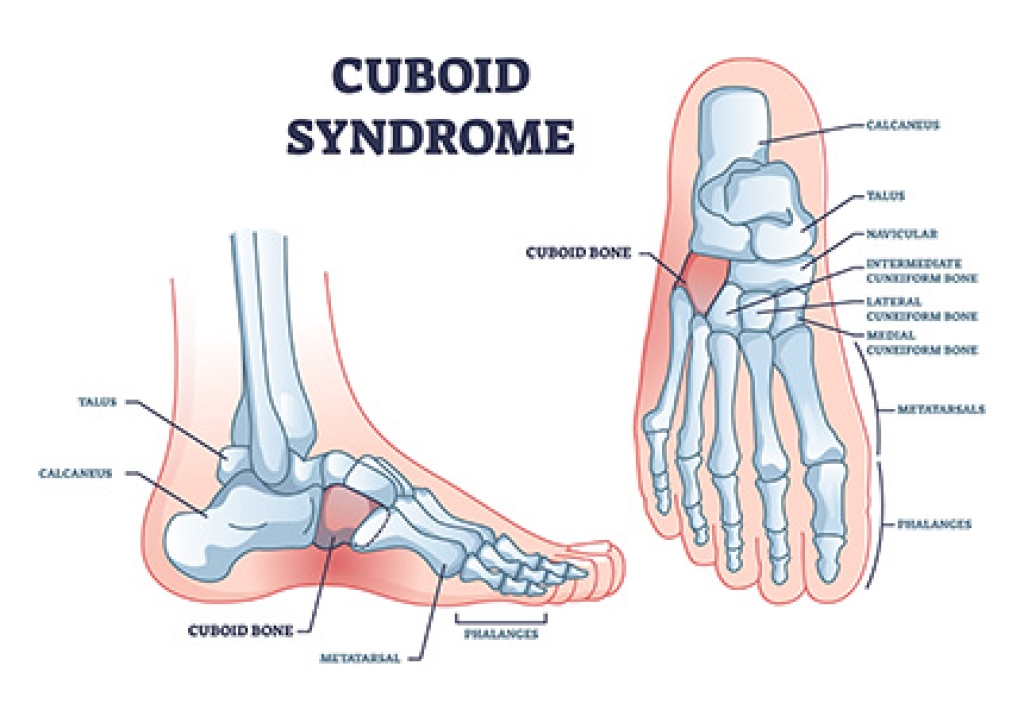
Cuboid syndrome occurs when the cuboid bone becomes slightly displaced or irritated. The cuboid is a bone on the outer side of the midfoot, near the base of the fourth and fifth toes. This area helps support the foot during walking. When the joint or surrounding tissues become stressed, pain can develop along the outside of the foot. Cuboid syndrome can make activities uncomfortable, especially when standing, walking, or pushing off the foot.

Common symptoms include aching or sharp pain on the outer middle portion of the foot. Pain may become worse when walking, running, or putting pressure on the affected foot. Swelling or tenderness may develop around the cuboid area. Difficulty walking can occur when symptoms are more severe. Because several foot conditions can cause similar symptoms, an accurate diagnosis is important.


Cuboid syndrome may develop after an ankle sprain, especially when the foot rolls outward during an injury. Repetitive stress from running or jumping can also irritate the cuboid joint. Risk factors include high-impact sports, wearing poorly supportive footwear, and foot mechanics that increase pressure on the outside of the foot. A podiatrist will examine the foot, check movement and tenderness, and review how the injury occurred. Imaging tests may be recommended when another injury needs to be ruled out.


Treatment depends on the cause and severity of the condition. A podiatrist may recommend rest, activity changes, and measures to reduce swelling. The foot may be gently manipulated to help restore normal cuboid position when appropriate. Taping or padding can provide additional support while the foot heals. More severe cases may require immobilization and a gradual return to activity. If you have symptoms of cuboid syndrome, it is suggested that you consult a podiatrist for effective relief and treatment solutions. 

Cuboid syndrome, also known as cuboid subluxation, occurs when the joints and ligaments near the cuboid bone in the foot become torn. If you have cuboid syndrome, consult with Aric Swancutt, DPM from Gardens Foot & Ankle. our doctor will assess your condition and provide you with quality foot and ankle treatment.

Cuboid syndrome is a common cause of lateral foot pain, which is pain on the outside of the foot. The condition may happen suddenly due to an ankle sprain, or it may develop slowly overtime from repetitive tension through the bone and surrounding structures.

Causes

The most common causes of cuboid syndrome include:

  • Injury – The most common cause of this ailment is an ankle sprain.
  • Repetitive Strain – Tension placed through the peroneus longus muscle from repetitive activities such as jumping and running may cause excessive traction on the bone causing it to sublux.
  • Altered Foot Biomechanics – Most people suffering from cuboid subluxation have flat feet.

Symptoms

A common symptom of cuboid syndrome is pain along the outside of the foot which can be felt in the ankle and toes. This pain may create walking difficulties and may cause those with the condition to walk with a limp.

Diagnosis

Diagnosis of cuboid syndrome is often difficult, and it is often misdiagnosed. X-rays, MRIs and CT scans often fail to properly show the cuboid subluxation. Although there isn’t a specific test used to diagnose cuboid syndrome, your podiatrist will usually check if pain is felt while pressing firmly on the cuboid bone of your foot.

Treatment

Just as the range of causes varies widely, so do treatments. Some more common treatments are ice therapy, rest, exercise, taping, and orthotics.

If you have any questions, please feel free to contact our office located in Palm Beach Gardens, FL . We offer the newest diagnostic and treatment technologies for all your foot care needs.

Read more about All About Cuboid Syndrome

Treating Recurring Foot Corns

Corns on the feet are small areas of hard, thickened skin that develop in response to repeated pressure or rubbing. They are different from calluses, which usually cover a larger area of rough, thick skin. Corns frequently form on the toes or other parts of the foot exposed to concentrated pressure. They can feel tender or painful, especially when shoes press against them. Some corns remain painless, but discomfort can increase when the hardened area continues to receive pressure. Pain from a corn can eventually interfere with walking and normal daily activities.

Shoes that are too tight, too loose, or the wrong size can contribute to corn formation. High heels can also increase pressure on certain areas of the foot. Foot structure can play a role because bone problems may create areas that rub against shoes. As people age, the natural fat padding on the bottom of the feet can decrease. This can leave some areas exposed to greater pressure. Corns that bleed or produce pus or discharge require attention. Severe pain that limits normal activities is another reason to have the foot evaluated.

A podiatrist can examine the hardened skin to confirm that it is a corn and identify the pressure causing it. Treatment can include carefully removing thickened skin and using specialized pads to reduce pressure on the painful area. A podiatrist can also provide custom insoles when foot mechanics contribute to repeated friction. Patients with diabetes or circulation problems should have corns evaluated because foot problems can become more serious. Addressing shoe fit and pressure points can also help reduce the chance that corns will return. If you have symptoms of corns on the feet, it is suggested that you schedule an appointment with a podiatrist for diagnosis and treatment.

If you have any concerns regarding your feet and ankles, contact Aric Swancutt, DPM of Gardens Foot & Ankle. our doctor will treat your foot and ankle needs.

Corns: What Are They? and How Do You Get Rid of Them?
Corns can be described as areas of the skin that have thickened to the point of becoming painful or irritating. They are often layers and layers of the skin that have become dry and rough, and are normally smaller than calluses.

Ways to Prevent Corns
There are many ways to get rid of painful corns such as wearing:

  • Well-fitting socks
  • Comfortable shoes that are not tight around your foot
  • Shoes that offer support

Treating Corns
Treatment of corns involves removing the dead skin that has built up in the specific area of the foot. Consult with our doctor to determine the best treatment option for your case of corns.

If you have any questions, please feel free to contact our office located in Palm Beach Gardens, FL . We offer the newest diagnostic and treatment technologies for all your foot care needs.
Read more about Corns and Calluses

Ankle Sprains Explained

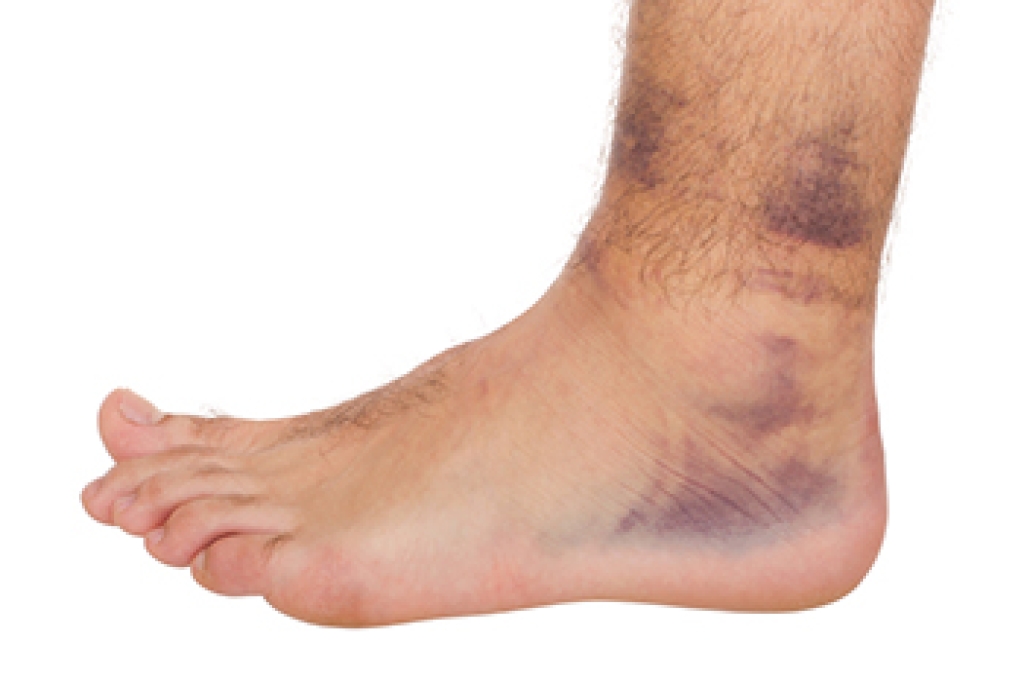
An ankle sprain occurs when the ligaments that support the ankle are stretched or torn. This commonly happens when the foot rolls outward or inward, causing the ankle to twist beyond its normal range. Ankle sprains can happen during exercise, walking on uneven ground, or stepping awkwardly. Symptoms include pain, swelling, and difficulty putting weight on the foot. Some people also notice weakness or a feeling that the ankle may give way.

Several factors can increase the risk of an ankle sprain. Previous ankle injuries can make the joint less stable, while poor balance can make an awkward step more likely. Uneven surfaces, wearing improper footwear, and quick direction changes can also contribute. A podiatrist can evaluate the ankle and determine the severity of the injury. Treatment may include rest, compression, and recommendations for activity changes.


Ankle sprains are commonly classified into three grades. A grade 1 sprain involves mild stretching or microscopic ligament damage and usually causes limited swelling and tenderness. Healing may take about one to two weeks. A grade 2 sprain involves a partial ligament tear and can cause swelling, bruising, and difficulty walking. Recovery may take several weeks. A grade 3 sprain involves a complete ligament tear and may cause significant pain, instability, and difficulty bearing weight. Healing can take several weeks to months, depending on the injury and treatment.


A podiatrist may use a physical examination and imaging tests to check for a fracture or other problem. The treatment plan may include a brace or walking boot for protection, followed by a gradual return to activity as the ankle heals. Proper support can help reduce reinjury risk. If you have sprained your ankle, it is suggested that you consult a podiatrist for effective relief and treatment solutions.

Although ankle sprains are common, they aren’t always minor injuries. If you need your ankle injury looked at, contact Aric Swancutt, DPM from Gardens Foot & Ankle. our doctor can provide the care you need to keep you pain-free and on your feet.

How Does an Ankle Sprain Occur?

Ankle sprains are the result of a tear in the ligaments within the ankle. These injuries may happen when you make a rapid shifting movement while your foot is planted. A less common way to sprain your ankle is when your ankle rolls inward while your foot turns outward.

What Are the Symptoms?

  • Pain at the sight of the tear
  • Bruising/Swelling
  • Ankle area is tender to touch
  • In severe cases, may hear/feel something tear
  • Skin discoloration

Preventing a Sprain

  • Wearing appropriate shoes for the occasion
  • Stretching before exercises and sports
  • Knowing your limits

Treatment of a Sprain

In many cases, the RICE method (Rest, Ice, Compression, and Elevate) is used to treat ankle sprains. However, you should see a podiatrist to see which treatment option would work best with your injury. In severe cases, surgery may be required.

It is important to ask your doctor about rehab options after you receive treatment for your injury. Stretching, strength training, and balance exercises may help the ankle heal while also preventing further injury.

If you have any questions, please feel free to contact our office located in Palm Beach Gardens, FL . We offer the newest diagnostic and treatment technologies for all your foot care needs.

Read more about Three Grades of Ankle Sprains

Diabetic Foot Blisters and Why They Develop

Diabetic foot blisters are fluid-filled areas that develop on diabetic skin. Some result from shoe friction, while others may be diabetic bullae that appear without an obvious injury. Diabetic blisters are often painless and may occur on the feet or lower legs. Symptoms can include clear fluid, raised skin, or tenderness. Because diabetes can slow healing, even a small blister deserves careful attention.

People with longstanding diabetes may have a higher risk of developing diabetic blisters. High blood sugar levels can damage nerves and blood vessels over time. This damage can reduce sensation and affect circulation, making foot problems easier to miss. Other risk factors include diabetic neuropathy, kidney disease, or repeated friction from footwear. Wearing poorly fitting shoes can also create pressure that leads to ordinary blisters. Regular foot checks are important when sensation is reduced.


A podiatrist will examine the blister and skin to determine its likely cause. The evaluation may include circulation and sensation testing. The skin is checked for changes or infection. If the blister is intact, the podiatrist may recommend protecting it rather than opening it. If drainage is necessary, it can be performed by a podiatrist. Treatment may include protective dressings, footwear changes, and monitoring in a safe and sterile environment with proper wound care. If an infection is present, medical treatment may be needed. Blood sugar management also supports normal wound healing.


Popping a blister yourself is not recommended as it increases risk of infection. Keep the area clean and protected, and check your feet for changes. Contact a podiatrist if you notice increasing redness, drainage, or worsening pain. A podiatrist can help protect the skin and reduce the risk of complications. If you have diabetes and have developed foot blisters, it is suggested that you are under the care of a podiatrist who can help you to manage this serious condition.

Blisters are prone to making everyday activities extremely uncomfortable. If your feet are hurting, contact Aric Swancutt, DPM of Gardens Foot & Ankle. our doctor can provide the care you need to keep you pain-free and on your feet.

Foot Blisters

Foot blisters develop as a result of constantly wearing tight or ill-fitting footwear. This happens due to the constant rubbing from the shoe, which can often lead to pain.

What Are Foot Blisters?

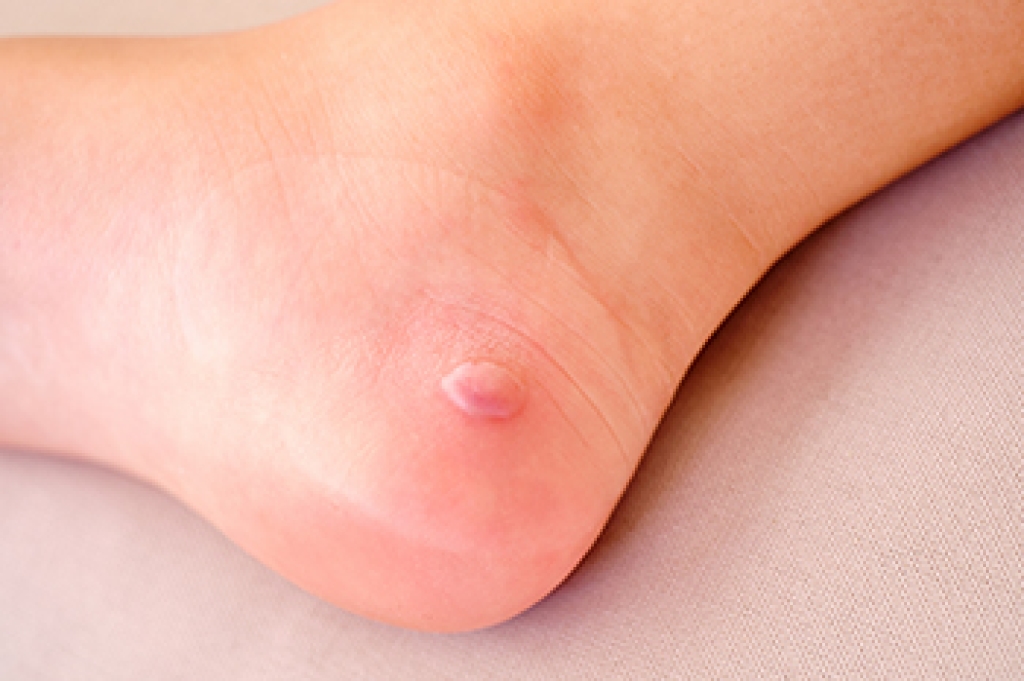
A foot blister is a small fluid-filled pocket that forms on the upper-most layer of the skin. Blisters are filled with clear fluid and can lead to blood drainage or pus if the area becomes infected.

How Do Blisters Form?

Blisters on the feet are often the result of constant friction of skin and material, usually by shoe rubbing. Walking in sandals, boots, or shoes that don’t fit properly for long periods of time can result in a blister. Having consistent foot moisture and humidity can easily lead to blister formation.

Prevention & Treatment

It is important to properly care for the affected area in order to prevent infection and ease the pain. Do not lance the blister and use a Band-Aid to provide pain relief. Also, be sure to keep your feet dry and wear proper fitting shoes. If you see blood or pus in a blister, seek assistance from a podiatrist.

If you have any questions, please feel free to contact our office located in Palm Beach Gardens, FL . We offer the newest diagnostic and treatment technologies for all your foot care needs.

Read more about Blisters