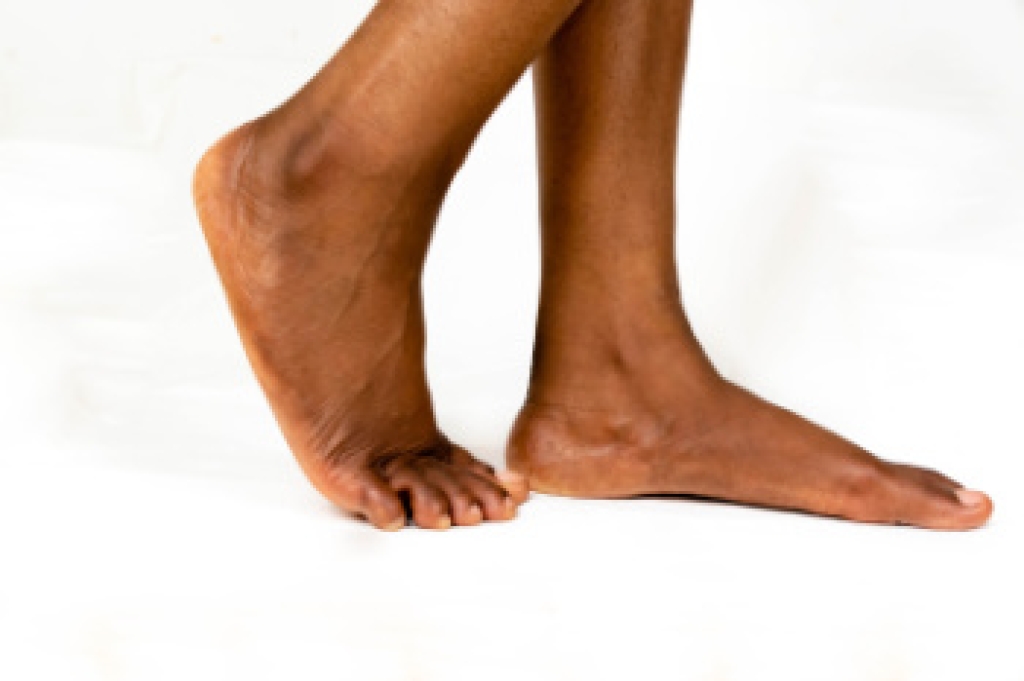
Strength Training for Flexible Flat Feet

Flexible flat feet occur when the arch appears low while standing, but becomes more visible when the foot is lifted or not bearing weight. Some people have no symptoms, while others experience fatigue, foot pain, or discomfort during activity. In certain cases, targeted exercise can help improve support and movement by strengthening the muscles that influence foot position and overall lower body function. Treatment is not always limited to the foot itself, since weakness in the legs or hips may also affect alignment and how pressure moves through the feet during walking. A podiatrist can evaluate gait, foot structure, and muscle function to determine whether strengthening exercises may be helpful as part of treatment. Supportive care may also include shoe guidance or custom inserts when needed. If you have painful or symptomatic flat feet, it is suggested that you visit a podiatrist for appropriate relief and management solutions.

Flatfoot is a condition many people suffer from. If you have flat feet, contact Aric Swancutt, DPM from Gardens Foot & Ankle. our doctor will treat your foot and ankle needs.

What Are Flat Feet?

Flatfoot is a condition in which the arch of the foot is depressed and the sole of the foot is almost completely in contact with the ground. About 20-30% of the population generally has flat feet because their arches never formed during growth.

Conditions & Problems:

Having flat feet makes it difficult to run or walk because of the stress placed on the ankles.

Alignment – The general alignment of your legs can be disrupted, because the ankles move inward which can cause major discomfort.

Knees – If you have complications with your knees, flat feet can be a contributor to arthritis in that area.  

Symptoms

  • Pain around the heel or arch area
  • Trouble standing on the tip toe
  • Swelling around the inside of the ankle
  • Flat look to one or both feet
  • Having your shoes feel uneven when worn

Treatment

If you are experiencing pain and stress on the foot you may weaken the posterior tibial tendon, which runs around the inside of the ankle. 

If you have any questions, please feel free to contact our office located in Palm Beach Gardens, FL . We offer the newest diagnostic and treatment technologies for all your foot care needs.
Read more about Flat Feet

Dealing With Toenail Fungus

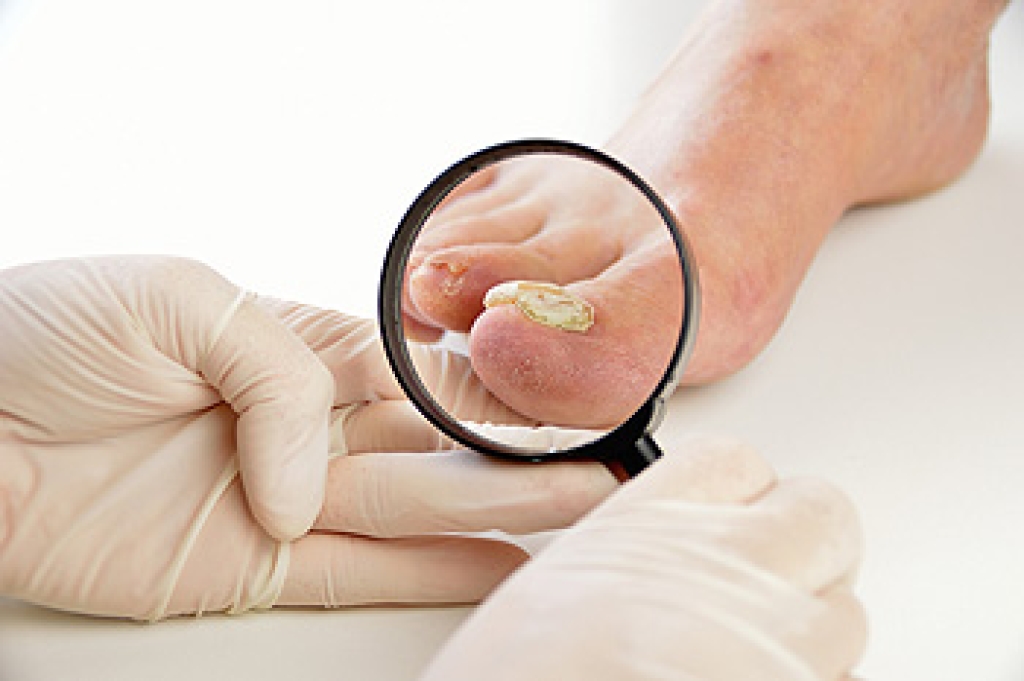
Toenail fungus is a common infection that affects the nail and surrounding tissue. The nail may appear thickened, yellow, white, or brittle, and it can become distorted or separate from the nail bed. Some people notice a mild odor or debris beneath the nail. In certain cases, the area may feel uncomfortable, especially in tight shoes. Fungi thrive in warm, moist environments and infections can develop from walking barefoot in public areas, wearing damp footwear, or having small cracks in the skin or nail. A podiatrist can evaluate the nail and may confirm the infection through testing to guide treatment. Care may include topical medications, oral antifungal therapy, or debridement to reduce thickness and improve medication effectiveness. Early treatment can help prevent the infection from spreading or worsening. If you have toenail fungus, it is suggested that you schedule an appointment with a podiatrist for appropriate treatment solutions.

For more information about treatment, contact Aric Swancutt, DPM of Gardens Foot & Ankle. our doctor can provide the care you need to keep you pain-free and on your feet.

Toenail Fungus Treatment

Toenail fungus is a condition that affects many people and can be especially hard to get rid of. Fortunately, there are several methods to go about treating and avoiding it.

Antifungals & Deterrence

Oral antifungal medicine has been shown to be effective in many cases. It is important to consult with a podiatrist to determine the proper regiment for you, or potentially explore other options.

Applying foot powder on the feet and shoes helps keep the feet free of moisture and sweat.

Sandals or open toed shoes – Wearing these will allow air movement and help keep feet dry. They also expose your feet to light, which fungus cannot tolerate. Socks with moisture wicking material also help as well.

If you have any questions please contact our office located in Palm Beach Gardens, FL . We offer the newest diagnostic and treatment technologies for all your foot and ankle needs.

Read more about Toenail Fungus

Understanding Peripheral Artery Disease and the Feet

Peripheral artery disease, often called PAD, occurs when arteries become narrowed and reduce blood flow to the legs and feet. This limits oxygen delivery to tissues, which can lead to pain, especially during walking, known as claudication. Some people may also notice cold feet, skin color changes, or slower nail and hair growth. In more advanced cases, wounds on the feet may heal very slowly or not at all, increasing the risk of infection. Because the feet are far from the heart, they are especially vulnerable to poor circulation. Early detection is important to help prevent serious complications. A podiatrist can check circulation, monitor skin health, and help manage foot-related risks of PAD through routine care and guidance. They also work with other providers as needed. If you have leg pain with walking or slow-healing foot wounds, it is suggested that you seek care from a podiatrist.

Peripheral artery disease can pose a serious risk to your health. It can increase the risk of stroke and heart attack. If you have symptoms of peripheral artery disease, consult with Aric Swancutt, DPM from Gardens Foot & Ankle. our doctor will assess your condition and provide you with quality foot and ankle treatment.

Peripheral artery disease (PAD) is when arteries are constricted due to plaque (fatty deposits) build-up. This results in less blood flow to the legs and other extremities. The main cause of PAD is atherosclerosis, in which plaque builds up in the arteries.

Symptoms

Symptoms of PAD include:

  • Claudication (leg pain from walking)
  • Numbness in legs
  • Decrease in growth of leg hair and toenails
  • Paleness of the skin
  • Erectile dysfunction
  • Sores and wounds on legs and feet that won’t heal
  • Coldness in one leg

It is important to note that a majority of individuals never show any symptoms of PAD.

Diagnosis

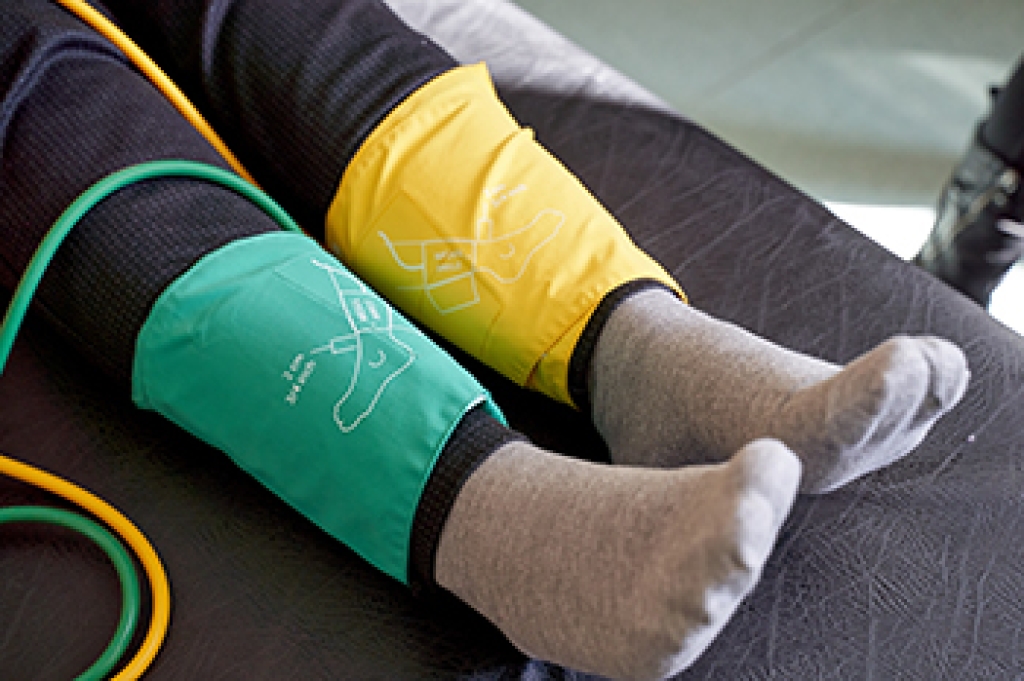
While PAD occurs in the legs and arteries, Podiatrists can diagnose PAD. Podiatrists utilize a test called an ankle-brachial index (ABI). An ABI test compares blood pressure in your arm to you ankle to see if any abnormality occurs. Ultrasound and imaging devices may also be used.

Treatment

Fortunately, lifestyle changes such as maintaining a healthy diet, exercising, managing cholesterol and blood sugar levels, and quitting smoking, can all treat PAD. Medications that prevent clots from occurring can be prescribed. Finally, in some cases, surgery may be recommended.

If you have any questions, please feel free to contact our office located in Palm Beach Gardens, FL . We offer the newest diagnostic and treatment technologies for all your foot care needs.

Read more about Peripheral Artery Disease