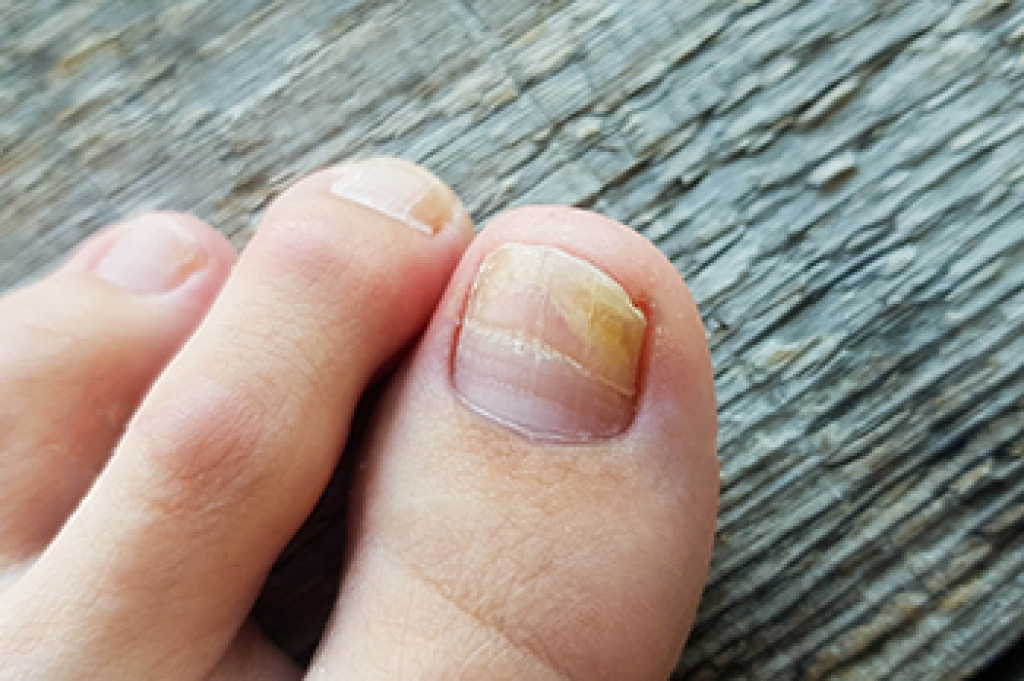
Toe Fractures Explained

A toe fracture is a break in one of the small bones of the toes, known as phalanges. These injuries are among the most common lower extremity fractures because the toes are exposed and vulnerable during daily movement. Toe fractures often occur from direct trauma, such as stubbing a toe against a hard surface or dropping a heavy object on the foot. While some fractures are minor and stable, others can involve joint disruption or displacement, which may require more advanced care. Understanding the nature of this injury is important for timely diagnosis and proper healing.

Symptoms of a toe fracture can vary depending on severity, but pain is usually immediate and sharp at the time of injury. Swelling and bruising often develop within hours, and the affected toe may appear misaligned or deformed in more serious cases. Many individuals experience difficulty bearing weight or walking comfortably. Tenderness when touching the toe and limited range of motion are also common signs. In some cases, small fractures may be mistaken for sprains, which can delay appropriate treatment and prolong recovery.


Several risk factors increase the likelihood of sustaining a toe fracture. Walking barefoot in the home or outdoors raises the chance of accidental trauma. Participating in high impact sports or activities that involve running and jumping can also increase risk. Individuals with reduced bone density, such as those with osteoporosis, may be more prone to fractures even with minor injuries. Poor balance, cluttered environments, and ill-fitting footwear further contribute to the risk of stubbing a toe or experiencing direct impact.


Treatment for toe fractures depends on the type and severity of the break. Many simple fractures can be managed with rest, elevation, and protective footwear to limit movement. Buddy taping, which involves securing the injured toe to an adjacent toe, is often used to provide stability. More complex fractures may require immobilization or surgery to restore proper alignment. Early evaluation ensures that healing occurs correctly and reduces the risk of long term complications. If you have broken your toe, it is suggested that  you consult a podiatrist for an accurate diagnosis and appropriate treatment.

A broken toe can be very painful and lead to complications if not properly fixed. If you have any concerns about your feet, contact Aric Swancutt, DPM from Gardens Foot & Ankle. our doctor will treat your foot and ankle needs.

What to Know About a Broken Toe

Although most people try to avoid foot trauma such as banging, stubbing, or dropping heavy objects on their feet, the unfortunate fact is that it is a common occurrence. Given the fact that toes are positioned in front of the feet, they typically sustain the brunt of such trauma. When trauma occurs to a toe, the result can be a painful break (fracture).

Symptoms of a Broken Toe

  • Throbbing pain
  • Swelling
  • Bruising on the skin and toenail
  • The inability to move the toe
  • Toe appears crooked or disfigured
  • Tingling or numbness in the toe

Generally, it is best to stay off of the injured toe with the affected foot elevated.

Severe toe fractures may be treated with a splint, cast, and in some cases, minor surgery. Due to its position and the pressure it endures with daily activity, future complications can occur if the big toe is not properly treated.

If you have any questions, please feel free to contact our office located in Palm Beach Gardens, FL . We offer the newest diagnostic and treatment technologies for all your foot care needs.
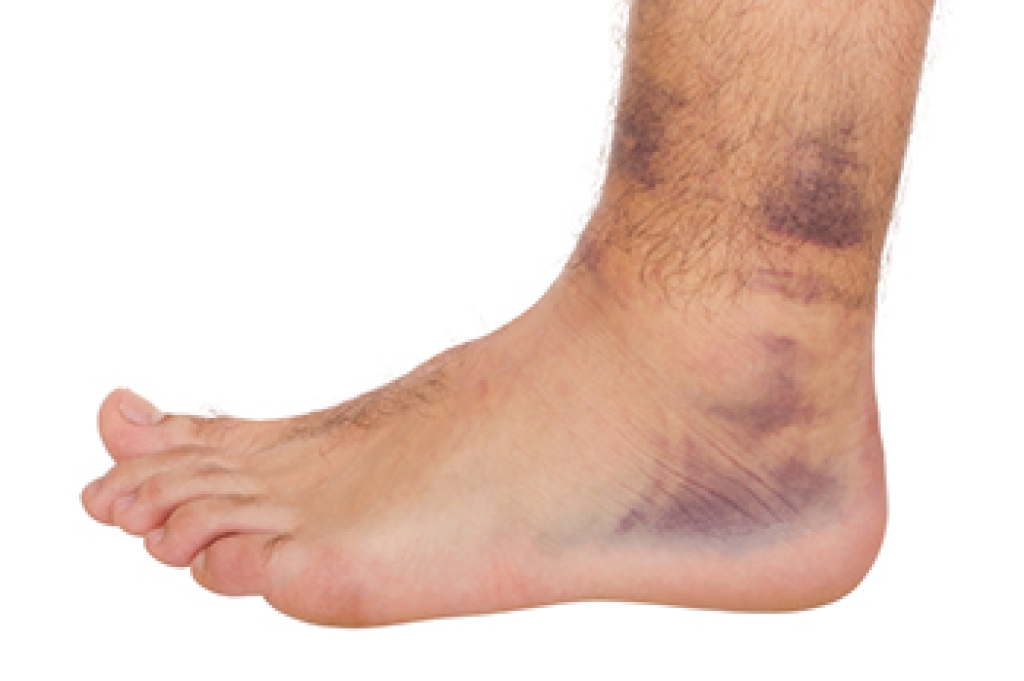

Read more about What to Know About a Broken Toe

Dealing With an Ankle Sprain

It can be difficult to tell the difference between an ankle sprain and a fracture without proper evaluation. Both often occur after a fall, misstep, or sudden twist, and each can cause immediate pain, swelling, and difficulty bearing weight. A sprained ankle involves stretched or torn ligaments, while a broken ankle affects one or more bones. Common symptoms include bruising, stiffness, and instability along with swelling, tenderness, limited motion. The ankle may look puffy or misshapen and it can feel weak, especially during movement. Causes include sports injuries, uneven surfaces and accidents. A podiatrist can help by performing a detailed examination and ordering imaging to accurately diagnose the injury and rule out fractures. Treatment may begin with immobilization, rest, and supportive devices. It then can progress to targeted exercises, bracing, or surgical care depending on severity. If you have sustained an ankle injury, it is suggested that you make an appointment with a podiatrist.

Ankle sprains are common but need immediate attention. If you need your feet checked, contact Aric Swancutt, DPM from Gardens Foot & Ankle. our doctor can provide the care you need to keep you pain-free and on your feet.

How Does an Ankle Sprain Occur?

Ankle sprains take place when the ligaments in your ankle are torn or stretched beyond their limits. There are multiple ways that the ankle can become injured, including twisting or rolling over onto your ankle, putting undue stress on it, or causing trauma to the ankle itself.

What Are the Symptoms?

  • Mild to moderate bruising
  • Limited mobility
  • Swelling
  • Discoloration of the skin (depending on severity)

Preventing a Sprain

  • Wearing appropriate shoes for the occasion
  • Stretching before exercises and sports
  • Knowing your limits

Treatment of a Sprain

Treatment of a sprain depends on the severity.  Many times, people are told to rest and remain off their feet completely, while others are given an air cast. If the sprain is very severe, surgery may be required.

If you have suffered an ankle sprain previously, you may want to consider additional support such as a brace and regular exercises to strengthen the ankle.

If you have any questions please feel free to contact our office located in Palm Beach Gardens, FL . We offer the newest diagnostic tools and technology to treat your foot and ankle needs.

Read more about Ankle Sprains

Causes and Treatment of Athlete’s Foot

Athlete’s foot is a common fungal infection that affects the skin on the feet, especially between the toes. Fungus grows well in warm, moist places, which is why athlete’s foot is common in people who wear tight shoes or sweaty socks for long periods. Walking barefoot in public showers, locker rooms, and pool areas also increases the risk of getting this infection. Athlete’s foot spreads easily from one person to another through contaminated floors, towels, and shoes. Signs of athlete’s foot include itching, burning, peeling skin, and redness. Some people notice cracked skin that becomes painful while walking. Others develop dry, flaky skin or small blisters that can sting and itch.

The infection can spread to the soles of the feet and toenails when it is not treated promptly. A podiatrist can diagnose athlete’s foot by examining the skin and checking the affected areas carefully. Treatment often includes prescription antifungal creams, powders, or oral medicine for more serious infections. Patients are usually advised to keep their feet clean and dry each day. Wearing breathable shoes and changing socks regularly can also help stop the fungus from growing. A podiatrist may remove damaged skin safely and recommend footwear that reduces moisture around the feet.

People with diabetes or poor circulation should seek treatment quickly because fungal infections can lead to skin sores and other foot problems. Ignoring athlete’s foot can allow the infection to worsen and spread to other parts of the foot. Early treatment can reduce discomfort and help the skin heal faster. If you have signs of an athlete's foot infection, it is suggested that you make an appointment with a podiatrist for an exam and treatment options.

Athlete’s foot is an inconvenient condition that can be easily reduced with the proper treatment. If you have any concerns about your feet and ankles, contact Aric Swancutt, DPM from Gardens Foot & Ankle.  our doctor will treat your foot and ankle needs.

Athlete’s Foot: The Sole Story

Athlete's foot, also known as tinea pedis, can be an extremely contagious foot infection. It is commonly contracted in public changing areas and bathrooms, dormitory style living quarters, around locker rooms and public swimming pools, or anywhere your feet often come into contact with other people.

Solutions to Combat Athlete’s Foot

  • Hydrate your feet by using lotion
  • Exfoliate
  • Buff off nails
  • Use of anti-fungal products
  • Examine your feet and visit your doctor if any suspicious blisters or cuts develop

Athlete’s foot can cause many irritating symptoms such as dry and flaking skin, itching, and redness. Some more severe symptoms can include bleeding and cracked skin, intense itching and burning, and even pain when walking. In the worst cases, Athlete’s foot can cause blistering as well. Speak to your podiatrist for a better understanding of the different causes of Athlete’s foot, as well as help in determining which treatment options are best for you.

If you have any questions please feel free to contact our office located in Palm Beach Gardens, FL . We offer the newest diagnostic and treatment technologies for all your foot and ankle needs.

Read more about Athlete's Foot

Reasons Your Toenails May Hurt

Toenail pain can make it difficult to wear shoes or walk comfortably. Several problems can cause this type of pain. An ingrown toenail occurs when the edge of the nail grows into the surrounding skin. This leads to redness, swelling, and tenderness. Fungal infections can also cause discomfort and usually include thick, discolored, or brittle nails. Injuries from stubbing the toe or wearing tight shoes can cause bruising under the nail and sharp pain. In some cases, the toenail may loosen or lift from the skin beneath it. People with diabetes or poor circulation are at greater risk for toenail problems because small injuries can become serious more quickly. A podiatrist can examine the toenail, identify the cause of the pain, and provide proper treatment to help prevent infection or long-term damage. If you have ongoing toenail pain, it is suggested that you schedule an appointment with a podiatrist for appropriate treatment solutions.

Toe pain can disrupt your daily activities. If you have any concerns, contact Aric Swancutt, DPM of Gardens Foot & Ankle. our doctor can provide the care you need to keep you pain-free and on your feet.

What Causes Toe Pain?

Most severe toe pain is caused due to a sports injury, trauma from dropping something heavy on the toe, or bumping into something rigid. Other problems can develop over time for various reasons.

Toe pain can be caused by one or more ailments. The most common include:

  • Trauma
  • Sports injury
  • Wearing shoes that are too tight
  • Arthritis
  • Gout
  • Corns and calluses
  • Hammertoe
  • Bunions
  • Blisters
  • Ingrown toenails
  • Sprains
  • Fractures (broken bones)
  • Dislocations

When to See a Podiatrist

  • Severe pain
  • Persistent pain that lasts more than a week
  • Signs of infection
  • Continued swelling
  • Pain that prevents walking

Diagnosis

In many cases the cause of toe pain is obvious, but in others, a podiatrist may want to use more advanced methods to determine the problem. These can range from simple visual inspections and sensation tests to X-rays and MRI scans. Prior medical history, family medical history, and any recent physical traumatic events will all be taken into consideration for a proper diagnosis.

Treatment

Treatments for toe pain and injuries vary and may include shoe inserts, padding, taping, medicines, injections, and in some cases, surgery. If you believe that you have broken a toe, please see a podiatrist as soon as possible.

If you have any questions please contact our office located in Palm Beach Gardens, FL . We offer the newest diagnostic and treatment technologies for all your foot and ankle needs.

Read more about Toe Pain