How Toe Pain Can Affect Daily Movement

Toe pain is a common condition that can disrupt walking, balance, and overall foot function. The toes play an important role in stability and movement, which makes them vulnerable to stress and injury. Pain may develop from structural deformities, joint inflammation, or repetitive strain from daily activities. Conditions such as gout, hammertoe, and tennis toe are frequent causes. Understanding these issues helps individuals recognize early warning signs and seek appropriate care before symptoms worsen.

Gout is a type of inflammatory arthritis caused by the buildup of uric acid crystals within the joint, most often affecting the big toe. It produces sudden and intense pain along with redness and swelling. Hammertoe is a deformity in which the toe bends at the middle joint, leading to pressure and irritation when wearing shoes. Bunions develop as a bony prominence at the base of the big toe, causing misalignment and discomfort. Tennis toe results from repeated trauma, often seen in athletes, and may lead to nail damage and localized soreness.

Symptoms of toe pain commonly include swelling, stiffness, and difficulty walking or standing for extended periods. Some individuals may experience tenderness or a burning sensation around the affected area. Risk factors include wearing tight or poorly fitted shoes, repetitive motion, and inherited foot structure. Obesity and certain health conditions may increase pressure on the toes. Athletes and individuals who spend long hours on their feet may also face a higher risk of developing toe pain.

Treatment depends on the underlying cause and severity of symptoms. Wearing properly fitted footwear, allowing time for rest, and using supportive devices can reduce pressure and improve comfort. Podiatric care may help correct alignment issues and manage inflammation effectively. Early diagnosis supports better outcomes and helps prevent progression. If you have toe pain, it is suggested that you consult a podiatrist for an accurate diagnosis and appropriate treatment.

Toe pain can disrupt your daily activities. If you have any concerns, contact Aric Swancutt, DPM of Gardens Foot & Ankle. our doctor can provide the care you need to keep you pain-free and on your feet.

What Causes Toe Pain?

Most severe toe pain is caused due to a sports injury, trauma from dropping something heavy on the toe, or bumping into something rigid. Other problems can develop over time for various reasons.

Toe pain can be caused by one or more ailments. The most common include:

  • Trauma
  • Sports injury
  • Wearing shoes that are too tight
  • Arthritis
  • Gout
  • Corns and calluses
  • Hammertoe
  • Bunions
  • Blisters
  • Ingrown toenails
  • Sprains
  • Fractures (broken bones)
  • Dislocations

When to See a Podiatrist

  • Severe pain
  • Persistent pain that lasts more than a week
  • Signs of infection
  • Continued swelling
  • Pain that prevents walking

Diagnosis

In many cases the cause of toe pain is obvious, but in others, a podiatrist may want to use more advanced methods to determine the problem. These can range from simple visual inspections and sensation tests to X-rays and MRI scans. Prior medical history, family medical history, and any recent physical traumatic events will all be taken into consideration for a proper diagnosis.

Treatment

Treatments for toe pain and injuries vary and may include shoe inserts, padding, taping, medicines, injections, and in some cases, surgery. If you believe that you have broken a toe, please see a podiatrist as soon as possible.

If you have any questions please contact our office located in Palm Beach Gardens, FL . We offer the newest diagnostic and treatment technologies for all your foot and ankle needs.

Read more about Toe Pain

Do Your Child's Feet Hurt?

Have your child's feet been examined lately? Healthy feet are happy feet. If your child is complaining of foot pain, it may be a sign of underlying problems.

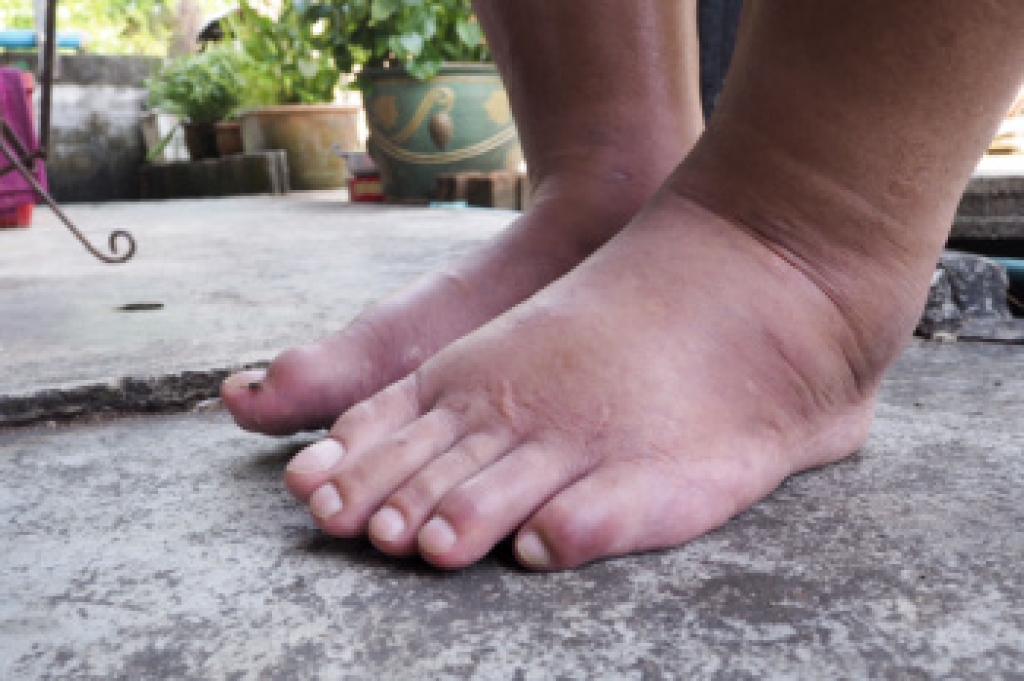
Causes of Swollen Ankles

Swollen ankles, also known as edema, occur when excess fluid builds up in the tissues of the lower legs and feet. This condition can develop gradually or suddenly and may affect one or both ankles. While mild swelling can result from long periods of standing or sitting, persistent or severe swelling may indicate an underlying health concern. Understanding the causes and symptoms is important for identifying when medical attention is needed.

Common symptoms of swollen ankles include visible puffiness, tight or stretched skin, and discomfort when walking or standing. In some cases, the skin may appear shiny or leave an indentation when pressed. Swelling may also be accompanied by warmth, redness, or pain, especially if infection is present. Because swelling can affect mobility and balance, it is important to monitor changes and seek evaluation if symptoms worsen or do not improve.


Several conditions can contribute to swollen ankles. Kidney problems can lead to fluid retention because the body is unable to properly regulate fluid balance. Infections may cause localized swelling due to inflammation and increased blood flow to the affected area. Pregnancy is another common cause, as increased fluid volume and pressure from the growing uterus can affect circulation in the lower extremities. Risk factors include prolonged standing, obesity, and certain chronic medical conditions. Poor circulation and some medications may also increase the risk.


Recognizing the underlying cause of ankle swelling is essential for effective treatment and prevention. Early evaluation by a podiatrist can help identify whether the swelling is related to lifestyle factors or a more serious medical issue. Addressing symptoms promptly can improve comfort and reduce complications. If you have swollen feet or ankles, it is suggested that you consult a podiatrist who can determine what the cause is and offer effective relief and management solutions.

Swollen feet can be a sign of an underlying condition. If you have any concerns, contact Aric Swancutt, DPM of Gardens Foot & Ankle. our doctor can provide the care you need to keep you pain-free and on your feet.

Swollen feet are a common ailment among pregnant women and people who stand or sit for extended periods. Aging may increase the possibility of swollen feet and patients who are obese often notice when their feet are swelling too. There may be medical reasons why swollen feet occur:

  • Phlebitis - A condition that causes the veins to become inflamed and can also cause leg pain.
  • Liver disease - This may lead to low blood levels of albumin which is a protein. This can cause fluid in the blood to pass into the tissues and several areas of the body can become swollen.
  • Heart failure - When the heart doesn’t pump properly the blood that is normally pumped back to the heart can pool in the veins of the legs causing swollen feet.
  • Kidney disease - One of the main functions of the kidneys is releasing excess fluid in the body. This type of condition can make it difficult for the kidneys to function properly, and as a result the feet may become swollen.
  • Deep-vein thrombosis (DVT)- This is a serious condition where blood clots form in the veins of the legs. They can block the return of blood from the legs to the heart which may cause the feet to swell. It is important to be treated by a podiatrist if this condition is present.

Swollen feet can also be caused by bone and tendon conditions, including fractures, arthritis, and tendinitis. Additionally, there may be skin and toenail conditions and an infection may cause the feet to swell. Patients who take medicine to treat high blood pressure may be prone to getting swollen feet. 

Many patients elevate their feet to help relieve the swelling and this is generally a temporary remedy. When a podiatrist is consulted the reason behind the swelling can be uncovered and subsequently treated.

If you have any questions please contact our office located in Palm Beach Gardens, FL . We offer the newest diagnostic and treatment technologies for all your foot and ankle needs.
Read more about Swelling of the Feet

How Gout Affects the Feet and Ankles

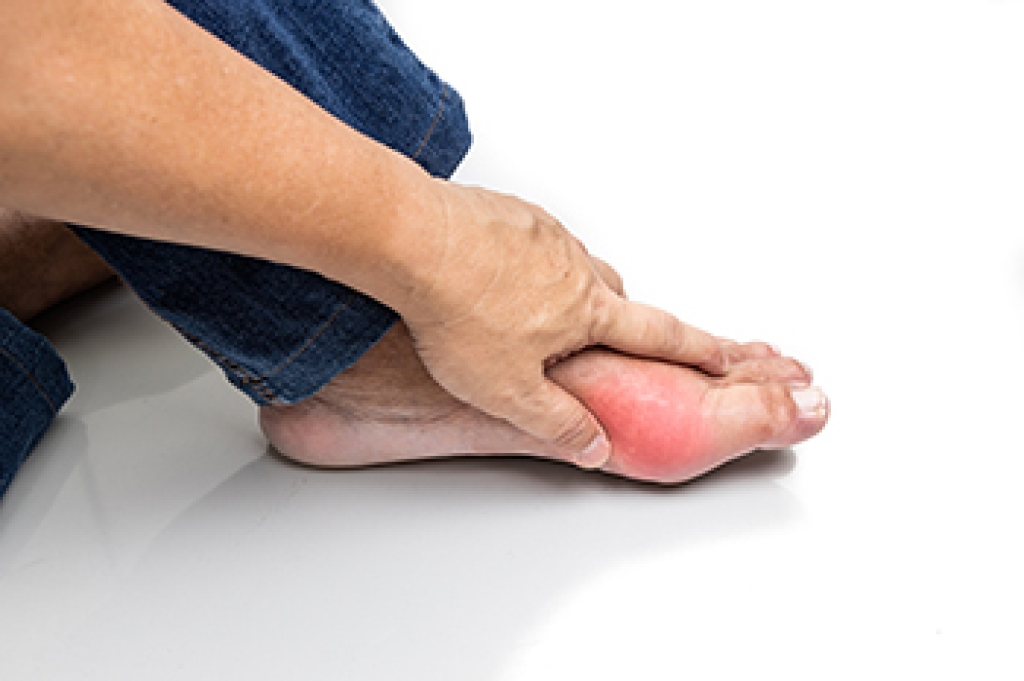
Gout is a painful form of arthritis that develops when too much uric acid builds up in the body. Uric acid is a natural waste product that usually leaves the body through the kidneys. When levels become too high, tiny crystals can collect inside a joint and trigger sudden pain, swelling, and redness. The joint at the base of the big toe is affected most often, although gout can also involve the ankle. A flare-up can begin without warning and cause pain that disturbs sleep or limits normal daily activities. Without proper treatment, repeated attacks can damage the affected joint and reduce comfort while walking.

Several factors increase the risk of gout. These include a family history of the condition, excess body weight, and certain medical conditions. A diet that is high in purines also raises uric acid levels. Purines are natural substances found in foods like anchovies, bacon, and sardines. Beer and other alcoholic drinks can also increase the chance of painful gout flares. A podiatrist can examine the affected foot, review your medical history, and order imaging or laboratory testing when appropriate. Gout symptoms can resemble those of an infection or another type of arthritis. For that reason, identifying the true cause allows treatment to begin promptly.

Treatment focuses on reducing inflammation, protecting the affected joint, and lowering the chance of future attacks. A podiatrist can recommend a treatment plan and work with other healthcare providers when additional medical management is needed. Regular follow-up visits help monitor joint health and evaluate your progress. Patients also benefit from guidance about healthy eating patterns, weight management, and limiting foods and drinks that increase uric acid levels. These steps can reduce the frequency of gout attacks and help protect the joints from lasting damage. If you have symptoms of gout, it is suggested that you schedule an appointment with a podiatrist for effective relief tips and help in managing this chronic condition.

Gout is a foot condition that requires certain treatment and care. If you are seeking treatment, contact Aric Swancutt, DPM from Gardens Foot & Ankle. our doctor will treat your foot and ankle needs.

What Is Gout?

Gout is a type of arthritis caused by a buildup of uric acid in the bloodstream. It often develops in the foot, especially the big toe area, although it can manifest in other parts of the body as well. Gout can make walking and standing very painful and is especially common in diabetics and the obese.

People typically get gout because of a poor diet. Genetic predisposition is also a factor. The children of parents who have had gout frequently have a chance of developing it themselves.

Gout can easily be identified by redness and inflammation of the big toe and the surrounding areas of the foot. Other symptoms include extreme fatigue, joint pain, and running high fevers. Sometimes corticosteroid drugs can be prescribed to treat gout, but the best way to combat this disease is to get more exercise and eat a better diet.

If you have any questions, please feel free to contact our office located in Palm Beach Gardens, FL . We offer the newest diagnostic and treatment technologies for all your foot care needs.

Read more about Everything You Need to Know About Gout

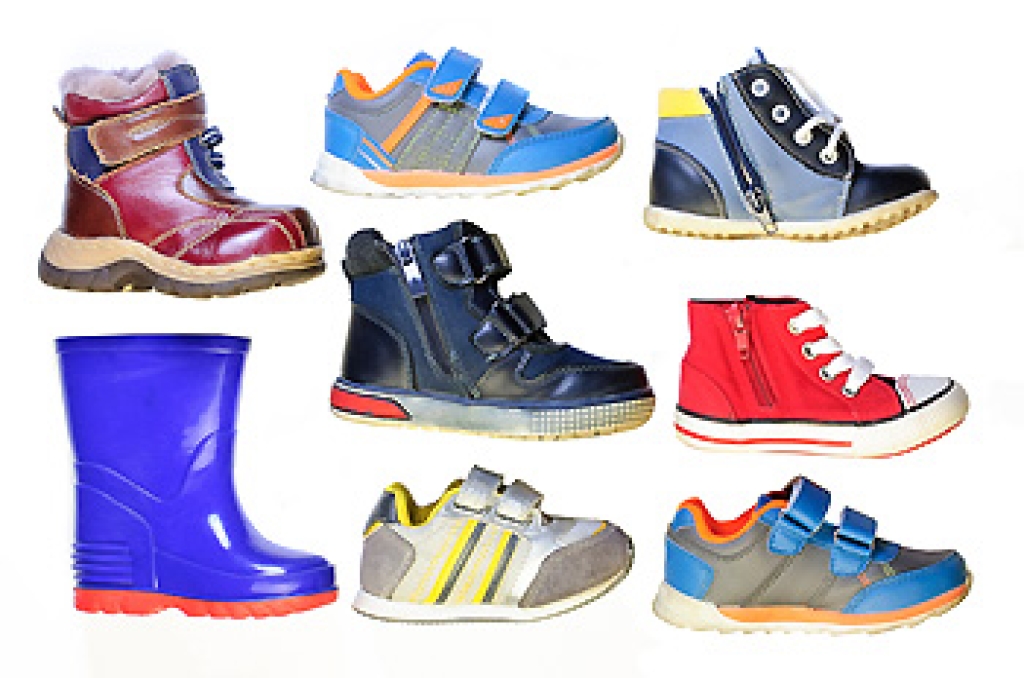
Choosing the Best Shoes for Your Child's Growing Feet

Choosing the right shoes for a child is a great way to support healthy foot development and promote comfort while walking, running, and playing. Children's feet are still growing, and the bones, muscles, and ligaments are not fully developed. Many toddlers have flat-looking feet when they first begin walking because a layer of fat hides the arch. This is usually a normal part of growth. Shoes should protect the feet while allowing natural movement. A good shoe includes a comfortable fit, enough room for the toes, and a flexible sole that bends near the front of the foot. The shoe should also have a secure fastening system, such as laces or straps, to help keep the foot stable inside the shoe.

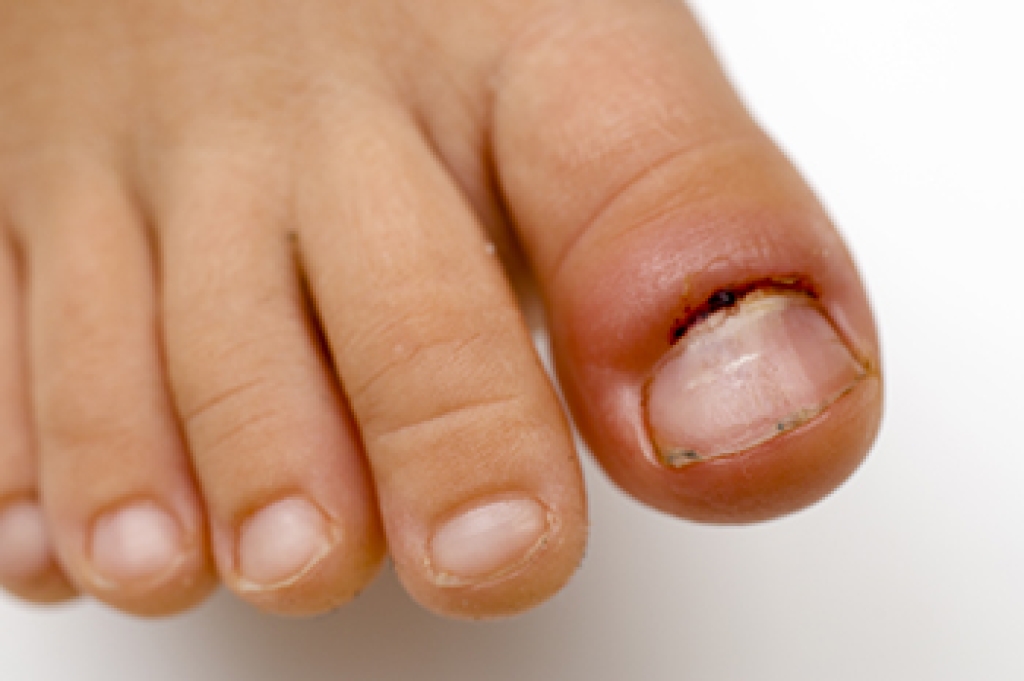
As children become more active, shoes that fit properly become even more important. Shoes that are too tight can lead to discomfort and can contribute to problems like ingrown toenails. Shoes that are too loose can affect balance and increase the risk of tripping. Children's feet grow quickly, and changes in size can occur within a relatively short period. Some children also walk with their feet turned inward or outward during early childhood. In many cases, these walking patterns improve as strength, posture, and coordination develop. However, severe changes in walking patterns or symptoms that affect only one leg deserve professional evaluation. A podiatrist can assess foot structure, walking patterns, and shoe fit to determine whether treatment is needed.

Parents should also watch for signs that a child may be experiencing a foot problem. Warning signs include foot or heel pain, limping, or stiffness. Other concerns include persistent flat feet that limit activity, unusually shaped toes, or difficulty keeping up with other children while walking or running. A podiatrist can examine the feet, identify the cause of symptoms, and recommend appropriate treatment. Professional guidance can also help parents choose shoes that support healthy growth and comfortable movement. If your child has foot pain or if you need help in managing your child's foot health, it is suggested that you schedule an appointment with a podiatrist.

The health of a child’s feet is vital to their overall well-being. If you have any questions regarding foot health, contact Aric Swancutt, DPM of Gardens Foot & Ankle. our doctor can provide the care you need to keep you pain-free and on your feet.

Tips for Keeping Children's Feet Healthy

  • Make sure their shoes fit properly
  • Look for any signs of in-toeing or out-toeing
  • Check to see if they have Clubfoot (condition that affects your child’s foot and ankle, twisting the heel and toes inward) which is one of the most common nonmajor birth defects.
  • Lightly cover your baby’s feet (Tight covers may keep your baby from moving their feet freely, and could prevent normal development)
  • Allow your toddler to go shoeless (Shoes can be restricting for a young child’s foot)
  • Cut toenails straight across to avoid ingrown toenails
  • Keep your child’s foot clean and dry
  • Cover cuts and scrapes. Wash any scratches with soap and water and cover them with a bandage until they’ve healed.

If you have any questions, please feel free to contact our office located in Palm Beach Gardens, FL . We offer the newest diagnostic and treatment technologies for all your foot care needs.

Read more about What to Do to Keep Your Child’s Feet Healthy