
Suffering from this type of pain? You may have the foot condition known as Morton's neuroma. Morton's neuroma may develop as a result of ill-fitting footwear and existing foot deformities. We can help.
Suffering from this type of pain? You may have the foot condition known as Morton's neuroma. Morton's neuroma may develop as a result of ill-fitting footwear and existing foot deformities. We can help.
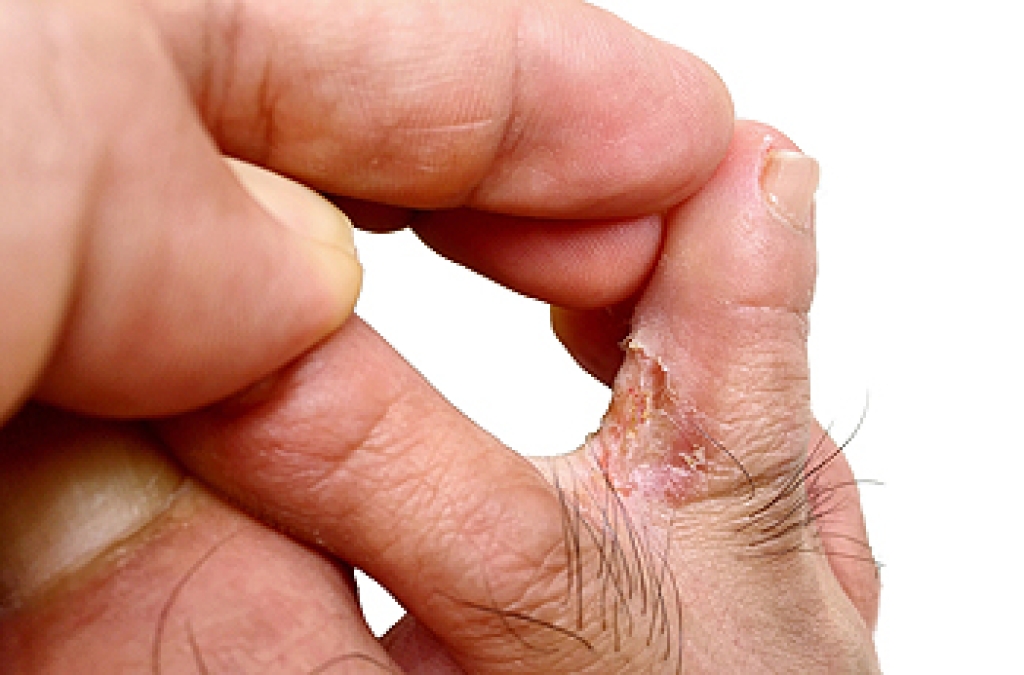
Athlete’s foot is a fungal infection that affects the skin of the feet, especially between the toes and along the soles. Also known as tinea pedis, this condition develops when fungi called dermatophytes grow in warm, damp environments. Athlete’s foot can affect anyone, not just athletes, and it often spreads through contact with contaminated floors, shoes, or shared surfaces.
Common symptoms of athlete’s foot include itching, peeling skin, and cracking between the toes. Some people may notice a scaly rash on the bottom or sides of the feet, while others may experience blisters or painful skin breaks. Symptoms may become more noticeable after wearing tight shoes or spending long periods in warm, sweaty footwear.
Several factors can increase the risk of developing athlete’s foot. Walking barefoot in public areas such as locker rooms, swimming pools, and communal showers can expose the feet to fungal organisms. Wearing non-breathable shoes, keeping feet damp, and having excessive foot sweating can also create conditions where fungus thrives. Not changing socks regularly may also contribute. People with a weakened immune system, certain medical conditions, or a history of recurring foot infections are at a higher risk of developing athlete’s foot.
Athlete’s foot is caused by the overgrowth of fungi that feed on dead skin cells. The infection spreads easily because these fungi can survive in moist environments and transfer from one person to another. Prevention includes keeping feet clean and dry, wearing moisture-wicking socks, and choosing breathable footwear. Avoiding sharing shoes or towels also helps. Treatment may include antifungal medications, proper foot hygiene, and professional evaluation when symptoms persist or worsen. A podiatrist can help identify the specific cause of foot irritation and recommend effective treatment options to restore healthy skin. If you have symptoms of athlete’s foot, it is suggested that you consult a podiatrist for an accurate diagnosis and appropriate treatment.
Athlete’s Foot
Athlete’s foot is often an uncomfortable condition to experience. Thankfully, podiatrists specialize in treating athlete’s foot and offer the best treatment options. If you have any questions about athlete’s foot, consult with Aric Swancutt, DPM from Gardens Foot & Ankle. our doctor will assess your condition and provide you with quality treatment.
What Is Athlete’s Foot?
Tinea pedis, more commonly known as athlete’s foot, is a non-serious and common fungal infection of the foot. Athlete’s foot is contagious and can be contracted by touching someone who has it or infected surfaces. The most common places contaminated by it are public showers, locker rooms, and swimming pools. Once contracted, it grows on feet that are left inside moist, dark, and warm shoes and socks.
Prevention
The most effective ways to prevent athlete’s foot include:
Symptoms
Athlete’s foot initially occurs as a rash between the toes. However, if left undiagnosed, it can spread to the sides and bottom of the feet, toenails, and if touched by hand, the hands themselves. Symptoms include:
Diagnosis and Treatment
Diagnosis is quick and easy. Skin samples will be taken and either viewed under a microscope or sent to a lab for testing. Sometimes, a podiatrist can diagnose it based on simply looking at it. Once confirmed, treatment options include oral and topical antifungal medications.
If you have any questions, please feel free to contact our office located in Palm Beach Gardens, FL . We offer the newest diagnostic and treatment technologies for all your foot care needs.
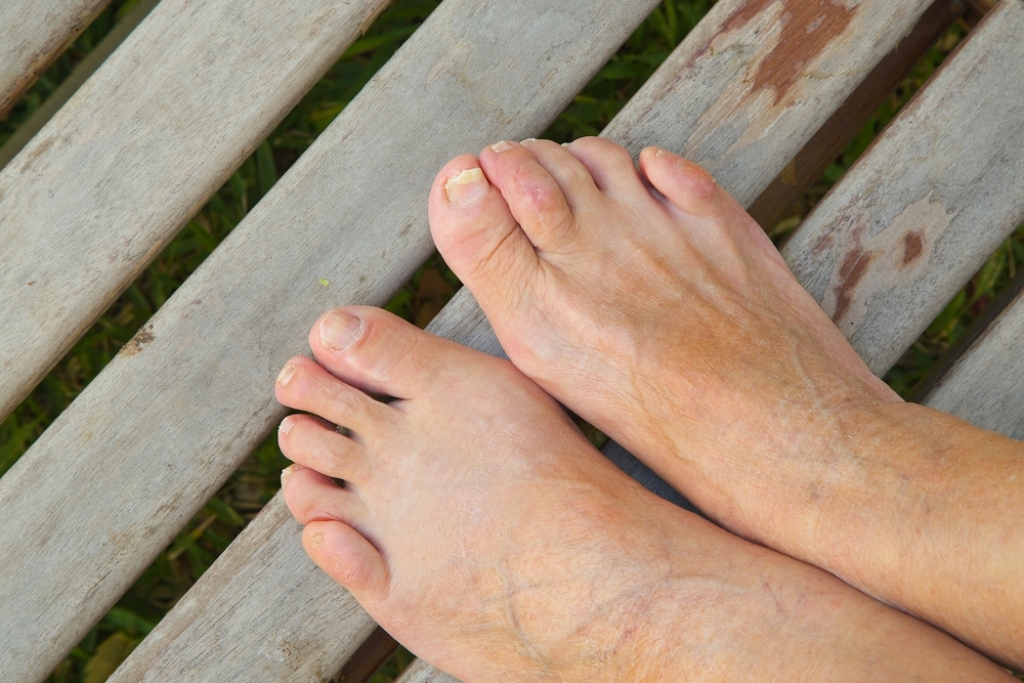
Hammertoe is a deformity that causes one or more of the smaller toes to bend downward at the middle joint instead of lying flat. At first, the toe may still be flexible, but it can become stiff if left untreated. This change in toe position places extra pressure on the top of the toe and the ball of the foot. Symptoms include pain, swelling, corns, calluses, and difficulty wearing shoes comfortably. The condition can develop because of muscle imbalance, arthritis, injury, or wearing shoes that squeeze the toes into a cramped position. Early evaluation is important because hammertoe becomes more difficult to correct as the joint becomes less flexible.
A podiatrist carefully evaluates toe alignment, foot structure, walking pattern, and joint movement to determine what is contributing to the deformity. The examination also identifies areas of excessive pressure that can lead to painful skin changes. Treatment includes custom orthotics when appropriate, footwear recommendations, and protective padding to reduce irritation. A podiatrist can also recommend exercises that improve flexibility and strengthen the muscles supporting the toes. Wearing shoes that provide proper support and enough room for the toes can reduce unnecessary pressure during daily activities. Regular follow-up visits help monitor changes and determine whether additional treatment is needed.
Ignoring hammertoe can allow the toe to become permanently stiff and increase discomfort while walking. Ongoing pressure can also lead to painful corns, calluses, and sores that make everyday activities more difficult. In advanced cases, surgery may be necessary when the toe can no longer be straightened or pain continues despite treatment. Early podiatry care helps improve foot function, reduce pressure on the affected toe, and slow the progression of the deformity. If you have symptoms of hammertoe, it is suggested that you schedule an appointment with a podiatrist for diagnosis and treatment.
Hammertoes can be a painful condition to live with. For more information, contact Aric Swancutt, DPM of Gardens Foot & Ankle. our doctor will answer any of your foot- and ankle-related questions.
Hammertoe
Hammertoe is a foot deformity that occurs due to an imbalance in the muscles, tendons, or ligaments that normally hold the toe straight. It can be caused by the type of shoes you wear, your foot structure, trauma, and certain disease processes.
Symptoms
Risk Factors
Treatment
If you have hammertoe, you should change into a more comfortable shoe that provides enough room for your toes. Exercises such as picking up marbles may strengthen and stretch your toe muscles. Nevertheless, it is important to seek assistance from a podiatrist in order to determine the severity of your hammertoe and see which treatment option will work best for you.
If you have any questions, please feel free to contact our office located in Palm Beach Gardens, FL . We offer the newest diagnostic and treatment technologies for all your foot care needs.
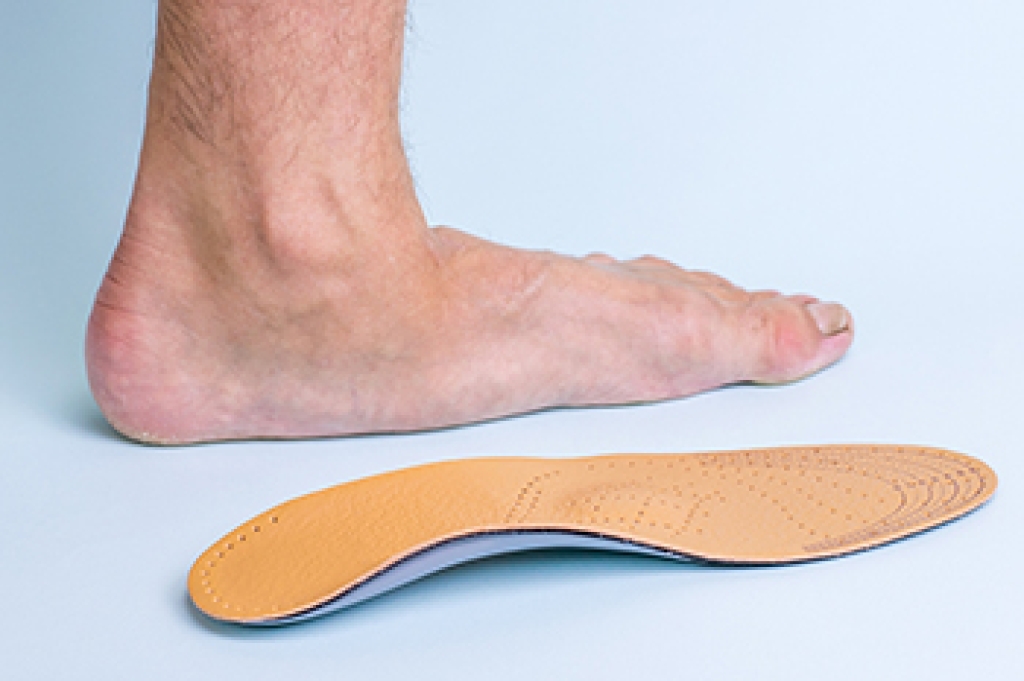
Orthotics are specially designed shoe inserts that improve the way the feet support the body while standing and walking. They help control foot movement, reduce pressure, and improve balance. Unlike simple insoles, orthotics are designed to match a person's foot shape and movement patterns. A podiatrist examines the feet, watches how you walk, and identifies areas of extra stress before recommending treatment. Orthotics can help relieve pain caused by problems like plantar fasciitis, flat feet, and arthritis. They also reduce strain on joints by improving foot alignment. Better alignment helps the feet work more efficiently and can make everyday activities more comfortable. Research also shows that properly prescribed orthotics improve function and reduce pain for many patients with foot conditions.
Orthotics come in different designs to meet different needs. Some are custom-made after a detailed assessment, while others are prefabricated and selected for specific foot problems. A podiatrist determines which option provides the best support based on your symptoms, foot structure, and activity level. Custom orthotics provide a more precise fit for complex conditions. Prefabricated devices can also provide meaningful relief for certain patients. Modern materials allow orthotics to remain lightweight, durable, and comfortable while fitting inside many styles of shoes. Proper fit is important because shoes that lack proper support or fit too tightly can reduce the benefits of orthotics.
A podiatrist also checks how orthotics perform after they are prescribed and makes adjustments when necessary to improve comfort and function. Regular follow-up visits help confirm that the devices continue supporting the feet correctly. Orthotics can reduce stress on painful areas, improve stability, and help people stay active with greater confidence. Early evaluation also helps address foot problems before they become more difficult to manage. If you have symptoms of foot pain or a condition that could benefit from orthotics, it is suggested that you schedule an appointment with a podiatrist who can determine what type of orthotics are right for you.
If you are having discomfort in your feet and would like to try orthotics, contact Aric Swancutt, DPM from Gardens Foot & Ankle. our doctor can provide the care you need to keep you pain-free and on your feet.
What Are Orthotics?
Orthotics are inserts you can place into your shoes to help with a variety of foot problems such as flat feet or foot pain. Orthotics provide relief and comfort for minor foot and heel pain but can’t correct serious biomechanical problems in your feet.
Over-the-Counter Inserts
Orthotics come in a wide variety of over-the-counter inserts that are used to treat foot pain, heel pain, and minor problems. For example, arch supports can be inserted into your shoes to help correct overarched or flat feet, while gel insoles are often used because they provide comfort and relief from foot and heel pain by alleviating pressure.
Prescription Orthotics
If over-the-counter inserts don’t work for you or if you have a more severe foot concern, it is possible to have your podiatrist prescribe custom orthotics. These high-quality inserts are designed to treat problems such as abnormal motion, plantar fasciitis, and severe forms of heel pain. They can even be used to help patients suffering from diabetes by treating foot ulcers and painful calluses and are usually molded to your feet individually, which allows them to provide full support and comfort.
If you are experiencing minor to severe foot or heel pain, it’s recommended to speak with your podiatrist about the possibilities of using orthotics. A podiatrist can determine which type of orthotic is right for you and allow you to take the first steps towards being pain-free.
If you have any questions, please feel free to contact our office located in Palm Beach Gardens, FL . We offer the newest diagnostic and treatment technologies for all your foot care needs.
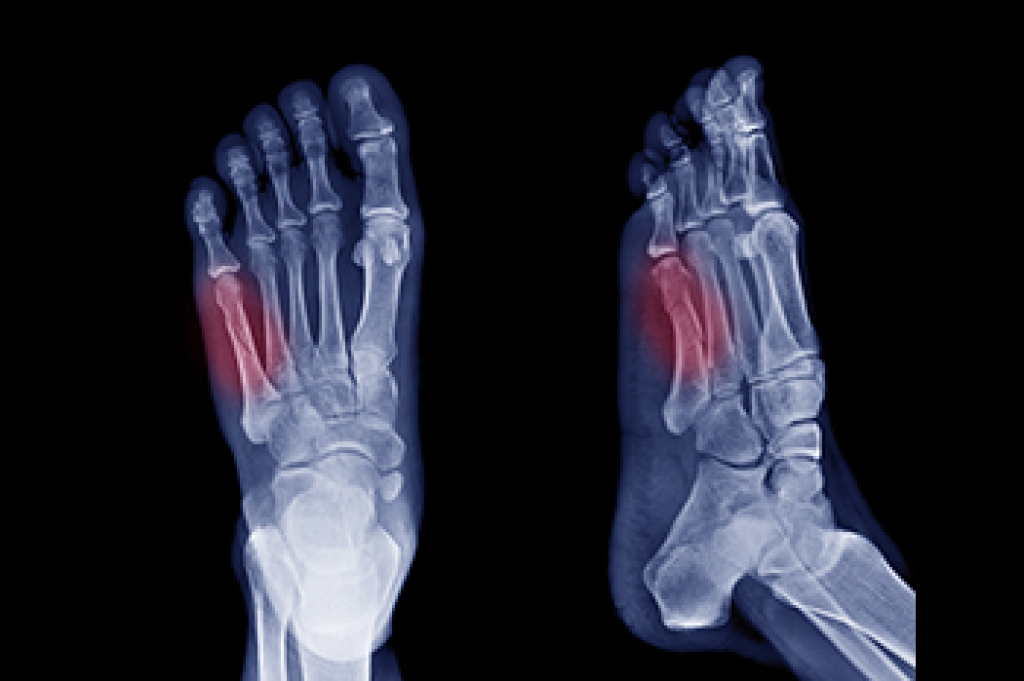
A Jones fracture is a break in the fifth metatarsal bone, which sits along the outside of the foot near the base of the little toe. This injury usually happens after a sudden twist, awkward landing, or forceful change in direction. People who participate in sporting activities that involve running and jumping, as well as dancers, face a higher risk, although anyone can experience this injury after a fall or misstep. It is different from a fracture at the very base of the bone, which has a distinctive healing pattern. Because blood flow to this area is limited, healing can take longer than many other foot fractures. Prompt evaluation helps identify the injury and reduce the risk of healing problems.
Symptoms include pain along the outside of the foot, swelling, bruising, and difficulty putting weight on the injured foot. Some patients hear or feel a snap when the injury happens. A podiatrist examines the foot, asks how the injury occurred, and orders X-rays to confirm the diagnosis. Advanced imaging is sometimes recommended when the fracture is difficult to see or another injury is suspected. Early diagnosis is important because a Jones fracture can fail to heal properly without appropriate treatment.
Treatment depends on the location of the break, the position of the bone, and a patient's activity level. Care includes a cast or walking boot and careful monitoring with follow-up examinations and imaging. Some fractures require surgery to improve bone alignment and increase the chance of successful healing. Regular follow-up visits allow the podiatrist to check healing progress and decide when normal activities can safely resume. Careful evaluation also helps distinguish a Jones fracture from other fractures affecting the fifth metatarsal because treatment recommendations are different for each injury. If you have symptoms of a Jones fracture, it is suggested that you schedule an appointment with a podiatrist for a diagnosis and appropriate treatment.
A broken foot requires immediate medical attention and treatment. If you need your feet checked, contact Aric Swancutt, DPM from Gardens Foot & Ankle. our doctor can provide the care you need to keep you pain-free and on your feet.
Broken Foot Causes, Symptoms, and Treatment
A broken foot is caused by one of the bones in the foot typically breaking when bended, crushed, or stretched beyond its natural capabilities. Usually the location of the fracture indicates how the break occurred, whether it was through an object, fall, or any other type of injury.
Common Symptoms of Broken Feet:
Those that suspect they have a broken foot shoot seek urgent medical attention where a medical professional could diagnose the severity.
Treatment for broken bones varies depending on the cause, severity and location. Some will require the use of splints, casts or crutches while others could even involve surgery to repair the broken bones. Personal care includes the use of ice and keeping the foot stabilized and elevated.
If you have any questions, please feel free to contact our office located in Palm Beach Gardens, FL . We offer the newest diagnostic and treatment technologies for all your foot care needs.
