
What Causes Lumps on the Toe

A lump on the toe can develop for many reasons and may appear on the top, bottom, or side of the toe. The lump may feel hard, soft, or tender, depending on its cause. Some bumps are painless and remain small, while others can become painful while walking or wearing shoes. Common causes include bunions, tailor's bunions, and other structural changes. 

A bunion is a common source of a noticeable bump near the base of the big toe. It develops when the big toe gradually shifts toward the smaller toes while the joint moves outward. A tailor's bunion, also called a bunionette, develops near the base of the little toe, and can create a bump along the outside of the foot. Hallux rigidus is another possible cause of a hard bump near the big toe joint. This condition involves arthritis and stiffness of the joint, which can make bending the big toe painful or difficult. Symptoms may include redness, swelling, and discomfort when shoes press against the affected area.


Several factors can increase the likelihood of developing lumps on the toes. Genetics and inherited foot structure may contribute to bunions and other alignment problems. Shoes with a narrow toe box can place repeated pressure on the toes and may worsen existing deformities. Arthritis, abnormal foot mechanics, and prolonged standing can also contribute. People who develop recurring corns or calluses may notice thickened areas that feel like lumps. 


A podiatrist can examine a toe lump and determine whether it is related to bone alignment, joint changes, pressure, skin thickening, or another condition. The evaluation may include checking the location, joint movement, and overall foot structure. If you have a hard, soft, or growing lump on your toe, it is suggested that you consult a podiatrist for an accurate diagnosis and appropriate treatment.

Toe pain can disrupt your daily activities. If you have any concerns, contact Aric Swancutt, DPM of Gardens Foot & Ankle. our doctor can provide the care you need to keep you pain-free and on your feet.

What Causes Toe Pain?

Most severe toe pain is caused due to a sports injury, trauma from dropping something heavy on the toe, or bumping into something rigid. Other problems can develop over time for various reasons.

Toe pain can be caused by one or more ailments. The most common include:

  • Trauma
  • Sports injury
  • Wearing shoes that are too tight
  • Arthritis
  • Gout
  • Corns and calluses
  • Hammertoe
  • Bunions
  • Blisters
  • Ingrown toenails
  • Sprains
  • Fractures (broken bones)
  • Dislocations

When to See a Podiatrist

  • Severe pain
  • Persistent pain that lasts more than a week
  • Signs of infection
  • Continued swelling
  • Pain that prevents walking

Diagnosis

In many cases the cause of toe pain is obvious, but in others, a podiatrist may want to use more advanced methods to determine the problem. These can range from simple visual inspections and sensation tests to X-rays and MRI scans. Prior medical history, family medical history, and any recent physical traumatic events will all be taken into consideration for a proper diagnosis.

Treatment

Treatments for toe pain and injuries vary and may include shoe inserts, padding, taping, medicines, injections, and in some cases, surgery. If you believe that you have broken a toe, please see a podiatrist as soon as possible.

If you have any questions please contact our office located in Palm Beach Gardens, FL . We offer the newest diagnostic and treatment technologies for all your foot and ankle needs.
Read more about Toe Pain

Lumps Along the Arch of the Foot

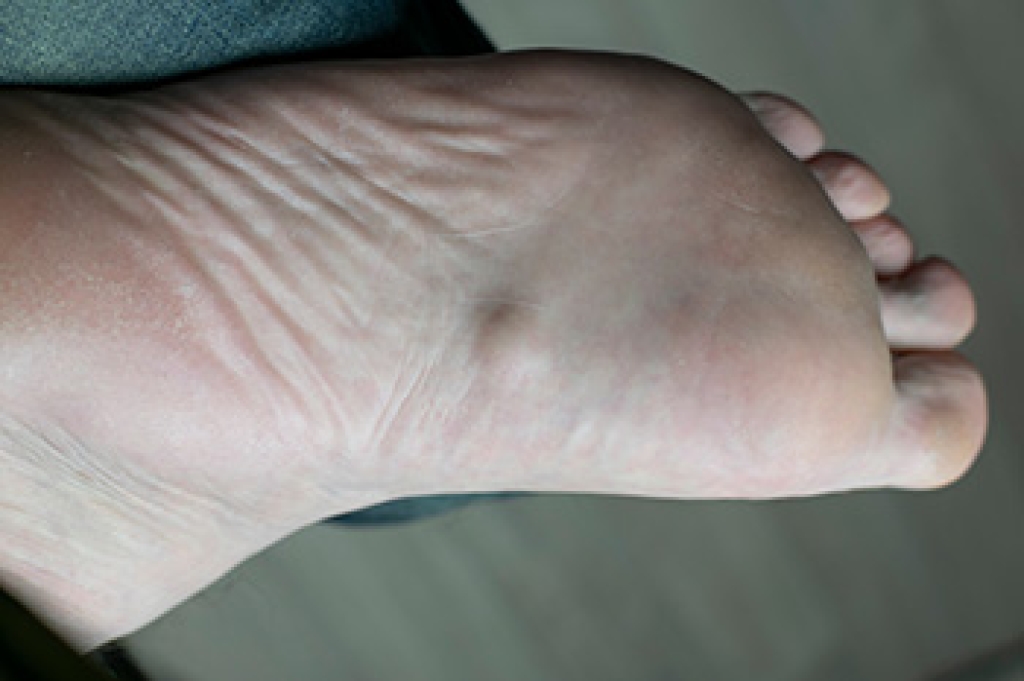
Plantar fibromatosis is a condition in which firm nodules develop within the plantar fascia, which is the thick band of tissue that supports the arch along the bottom of the foot. These growths are usually noncancerous, but they may become uncomfortable over time, especially while walking or standing for long periods. Many people first notice a small lump in the arch that slowly becomes more noticeable or tender with pressure. In some cases, the nodules remain painless, while others may experience aching, irritation, or difficulty wearing certain shoes comfortably. The exact cause is not always clear, but the condition has been linked to repetitive stress, genetics, and certain medical conditions. A podiatrist can examine the foot, evaluate the size and location of the growths, and recommend treatment to reduce discomfort and improve mobility. Care may include orthotics, padding, stretching, injections, or additional treatment for more advanced cases. If you notice painful lumps or thickened tissue along the arch of the foot, it is suggested that you visit a podiatrist for evaluation and appropriate treatment.

A plantar fibroma may disrupt your daily activities. If you have any concerns, contact Aric Swancutt, DPM of Gardens Foot & Ankle. our doctor can provide the care you need to keep you pain-free and on your feet.

Plantar Fibroma

A plantar fibroma is a fibrous knot in the arch of the foot. It is embedded in the plantar fascia which is a band of tissue that extends from the heel to the toes along the bottom of the foot. There can be multiple plantar fibromas in the feet at the same time. There are no known causes for this condition. If you have a plantar fibroma, there will be a bump in the arch of your foot that cannot be missed. Any associated pain is most often due to a shoe rubbing against the nodule. Non-surgical options, such as steroid injections, physical therapy, and orthotics should be tried first. Surgery is a last resort and is the only thing that will remove a plantar fibroma entirely. Consult with a podiatrist for a proper diagnosis and to determine the treatment regimen that is right for you.

What Causes a Plantar Fibroma?

While there are no specific causes identified, a plantar fibroma can possibly come from genetic predisposition or the formation of scar tissue that forms from healing the tears in the plantar fascia.

What Are the Symptoms of a Plantar Fibroma?

There will be a noticeable lump in the arch of the foot that may or may not cause pain. If pain is felt, it is typically because a shoe is rubbing up against the lump or when walking or standing barefoot.

Treatment and Prevention

A plantar fibroma will not disappear without treatment, but it can get smaller and be a non-issue. If pain persists, a podiatrist examines the foot and when the arch of the foot is pressed, pain can be felt down to the toes. An MRI or biopsy might be performed to help diagnose or evaluate the plantar fibroma. The following non-surgical options are generally enough to reduce the size and pain of these nodules:

  • Steroid injections
  • Orthotics
  • Physical therapy to help apply anti-inflammatory creams on the bump 

Surgery is considered if the mass increases in size and the patient continues to feel pain after non-surgical methods are tried.

If you have any questions, please feel free to contact our office located in Palm Beach Gardens, FL . We offer the newest diagnostic and treatment technologies for all your foot care needs.

Read more about Plantar Fibroma

Protecting Foot Health With Diabetic Foot Care

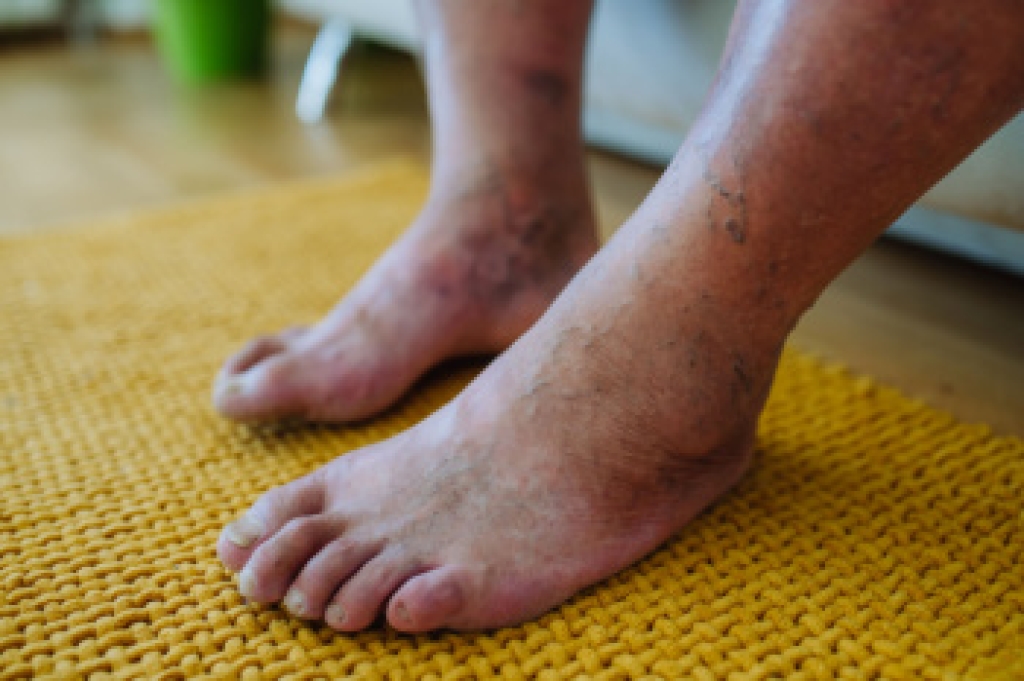
Diabetic foot care is an important part of protecting long-term foot health. Diabetes affects the nerves and blood vessels in the feet. Nerve damage may reduce the ability to feel pain, heat, or injuries. Poor circulation can make it harder for damaged skin and other tissues to heal. As a result, a small wound may become more serious before a person realizes there is a problem. Changes such as swelling, redness, or sores may require professional attention. Regular podiatric evaluations can help identify concerns before they lead to more serious diabetic foot complications.


People with diabetes may develop several types of foot problems. Reduced sensation can make it difficult to notice cuts, blisters, or areas of pressure. These injuries can develop into diabetic foot ulcers, which are open wounds that may become infected. Changes in foot shape may also create areas that receive too much pressure during walking. In severe cases, infections and poor healing can damage deeper tissues and threaten the health of the foot. Any wound that is slow to heal or shows signs of infection should receive prompt medical attention. Professional diabetic foot care is especially important when numbness or circulation problems are present.


A podiatrist can play an important role in preventing and managing diabetes-related foot complications. During an examination, the podiatrist may evaluate circulation, skin condition, and sensation in the feet. The feet can also be checked for wounds or pressure areas that require treatment. When a problem is found, podiatric care can address the condition and help reduce the risk of further complications. A podiatrist can also work with other health-care professionals when diabetes affects several areas of a patient’s health. Regular evaluations allow changes in foot health to be identified early. If diabetes is affecting your feet or you have developed numbness, wounds, or other foot changes, it is suggested that you consult a podiatrist for an evaluation and appropriate treatment options.

Diabetic foot care is important in preventing foot ailments such as ulcers. If you are suffering from diabetes or have any other concerns about your feet, contact Aric Swancutt, DPM from Gardens Foot & Ankle. our doctor can provide the care you need to keep you pain-free and on your feet.

Diabetic Foot Care

Diabetes affects millions of people every year. The condition can damage blood vessels in many parts of the body, especially the feet. Because of this, taking care of your feet is essential if you have diabetes, and having a podiatrist help monitor your foot health is highly recommended.

The Importance of Caring for Your Feet

  • Routinely inspect your feet for bruises or sores.
  • Wear socks that fit your feet comfortably.
  • Wear comfortable shoes that provide adequate support.

Patients with diabetes should have their doctor monitor their blood levels, as blood sugar levels play such a huge role in diabetic care. Monitoring these levels on a regular basis is highly advised.

It is always best to inform your healthcare professional of any concerns you may have regarding your feet, especially for diabetic patients. Early treatment and routine foot examinations are keys to maintaining proper health, especially because severe complications can arise if proper treatment is not applied.

If you have any questions, please feel free to contact our office located in Palm Beach Gardens, FL . We offer the newest diagnostic and treatment technologies for all your foot care needs.

Read more about Diabetic Foot Care

What to Know About Broken Toe Injuries

A broken toe can turn a simple step into a painful challenge. A fracture occurs when one of the small bones in a toe cracks or breaks. The injury frequently happens after a toe is stubbed against a hard object or something heavy falls on the foot. Pain, swelling, and bruising can develop soon after the injury. Walking can become difficult because the toes help support balance and movement. A broken toe can also look crooked when the bone has shifted from its normal position.

Some toe fractures need closer attention because the location and severity can affect healing. An injury to the big toe can cause greater problems with walking because this toe plays an important role in balance and pushing off the ground. A wound near the fracture can increase the risk of infection. Blood can also collect beneath the toenail after an object strikes the toe. Without proper treatment, a badly positioned fracture can heal incorrectly. This could lead to lasting pain, changes in toe shape, or problems with movement.

A podiatrist can examine the injured toe to determine whether a fracture has occured and how serious it is. The evaluation can include checking swelling, tenderness, and toe position. X-rays can help show the location of the break and whether the bone has moved out of place. Treatment can include stabilizing the toe, using a protective shoe, or placing the foot in a cast. A podiatrist can also realign a displaced bone, while severe fractures can require surgery. Proper treatment helps protect the toe while the bone heals and can reduce the risk of future problems. If you have broken your toe, it is suggested that you schedule an appointment with a podiatrist for effective relief and treatment solutions. 

Broken toes may cause a lot of pain and should be treated as soon as possible. If you have any concerns about your feet, contact Aric Swancutt, DPM from Gardens Foot & Ankle. our doctor will treat your foot and ankle needs.

What Is a Broken Toe?

A broken toe occurs when one or more of the toe bones of the foot are broken after an injury. Injuries such as stubbing your toe or dropping a heavy object on it may cause a toe fracture.

Symptoms of a Broken Toe

  • Swelling
  • Pain (with/without wearing shoes)
  • Stiffness
  • Nail Injury

Although the injured toe should be monitored daily, it is especially important to have a podiatrist look at your toe if you have severe symptoms. Some of these symptoms include worsening or new pain that is not relieved with medication, sores, redness, or open wounds near the toe.

If you have any questions please feel free to contact our office located in Palm Beach Gardens, FL . We offer the newest diagnostic tools and technology to treat your foot and ankle needs.

Read more about What to Know About a Broken Toe

What Causes Shooting Pain in the Foot

A sudden shooting pain in the foot can stop you in your tracks. It may strike the heel, ball of the foot, or toes. Some patients describe the feeling as sharp, burning, or electric. The pain might appear with the first steps of the day, while walking, or even when the foot is at rest. Where the pain begins and what triggers it can help identify the cause. Numbness, swelling, or weakness are also important signs. Shooting pain that returns or becomes stronger indicates the need to see a podiatrist.

Several problems can cause this type of pain. Plantar fasciitis irritates the band of tissue that supports the arch and can send pain from the heel forward. A pinched or damaged nerve can create electric pain, tingling, and numbness. Morton's neuroma is thickened tissue surrounding a nerve near the toes, and it can cause burning pain in the ball of the foot. Other causes of shooting foot pain include a stress fracture, tendon irritation, or gout. Because diabetes can damage nerves in the feet, patients with this condition should report new pain quickly.

A podiatrist can find the source of shooting pain through a foot exam and a review of when symptoms began. The doctor may check the foot's movement, strength, and sensitive areas. X-rays or imaging can reveal a fracture or changes within the joints. Nerve testing can help when numbness, tingling, or burning occurs. Depending on the cause, treatment options include custom orthotics, supportive shoe guidance, or medication. In some cases, a brace or walking boot may be needed for protection or stability. Severe nerve pressure, a fracture, or joint damage may require surgery. Early care can prevent a treatable problem from becoming harder to manage. If you are experiencing shooting pain in the foot, it is suggested that you schedule an appointment with a podiatrist for a diagnosis and appropriate treatment.

Foot Pain

Foot pain can be extremely painful and debilitating. If you have a foot pain, consult with Aric Swancutt, DPM from Gardens Foot & Ankle. our doctor will assess your condition and provide you with quality foot and ankle treatment.

Causes

Foot pain is a very broad condition that could be caused by one or more ailments. The most common include:

  • Bunions
  • Hammertoes
  • Plantar Fasciitis
  • Bone Spurs
  • Corns
  • Tarsal Tunnel Syndrome
  • Ingrown Toenails
  • Arthritis (such as Gout, Rheumatoid, and Osteoarthritis)
  • Flat Feet
  • Injury (from stress fractures, broken toe, foot, ankle, Achilles tendon ruptures, and sprains)
  • And more

Diagnosis

To figure out the cause of foot pain, podiatrists utilize several different methods. This can range from simple visual inspections and sensation tests to X-rays and MRI scans. Prior medical history, family medical history, and any recent physical traumatic events will all be taken into consideration for a proper diagnosis.

Treatment

Treatment depends upon the cause of the foot pain. Whether it is resting, staying off the foot, or having surgery; podiatrists have a number of treatment options available for foot pain.

If you have any questions, please feel free to contact our office located in Palm Beach Gardens, FL . We offer the newest diagnostic and treatment technologies for all your foot care needs.

Read more about Foot Pain